 6 Page views
Published on Thu Oct 30 2025 | The Hindu Delhi Mumbai Bengaluru Bangalore Kolkata Nagpur Lucknow Pune Jaipur
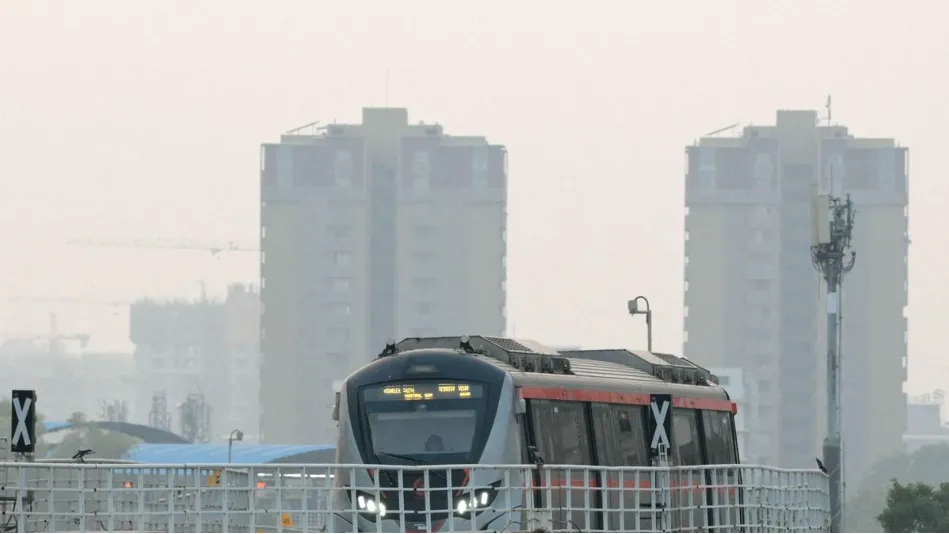
Delhi leads with a sprawling 394 km network, followed by Bengaluru (96 km), Mumbai (80.2 km), and Kolkata (74 km). Many of the newer, smaller networks, such as in Nagpur, Lucknow, and Pune, are also expanding at a brisk pace.
Consequently, the average daily ridership has quadrupled over the past decade, from 28 lakh in 2014 to 1.12 crore in 2025.
The Delhi metro alone carries about 65 lakh passengers each weekday, while Bengaluru handles around 10 lakh and Mumbai about 8.5 lakh daily. Kolkata, one of the oldest metro systems, carries more than 6 lakh passengers daily. In 2024, Kolkata launched India’s first underwater metro tunnel.
Networks such as Pune (carrying 2.18 lakh passengers daily), Chennai (3.19 lakh), and Hyderabad (4.7 lakh) are seeing steady growth in patronage. Smaller metros such as Lucknow, Nagpur, and Jaipur record between 0.5 to 1.5 lakh commuters a day.
Many metro systems also charge customers on a per km basis. For instance, in the Chennai metro, the base fare is ₹2.14 per km and in the Ahmedabad and Gandhinagar metros, it is ₹1.2 per km. For longer distances, most metros have a fare cap; for instance, the Bengaluru metro caps fares at ₹90 for journeys of 30 km or more.

Delhi–Siliguri Bullet Train Announced: Via Lucknow, Varanasi And Patna, Travel Time To Drop From 20 Hours To 6

Delhi to Jewar Airport in 21 minutes: New RRTS corridor to link Noida Airport with Varanasi bullet train
L-G directs DDA to chart out plan to develop Dwarka into an international investment hub
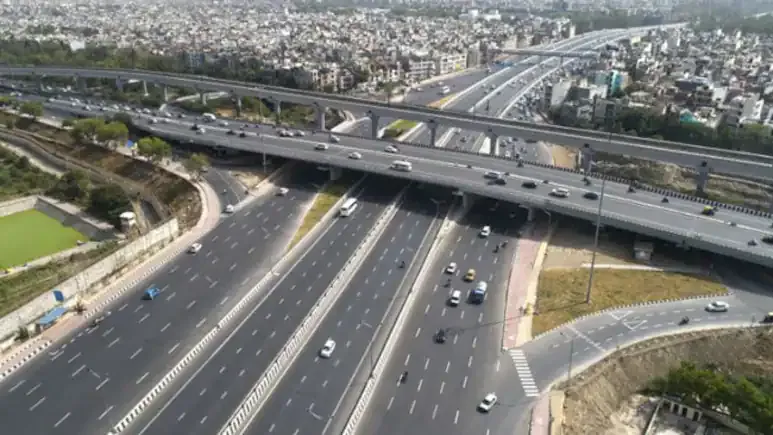
New 10-Lane Delhi-Jewar Corridor Planned Ahead Of Noida Airport Launch

Now homeowners can file online complaint against builders for illegal transfer charges in Uttar Pradesh; Step-by-step guide on how to do it