
 3 Page views
Published on Sun Jul 24 2016 | Hindustan Times Delhi Metro Delhi Trilokpuri East Delhi Vinod Nagar Ghaziabad Rajeev Chowk North Delhi West Delhi South Delhi Mukundpur-shiv Vihar Meerut Expressway NH-24 Delhi Metro Rail Corporation (DMRC) National Highways Authority Of India (NHAI)
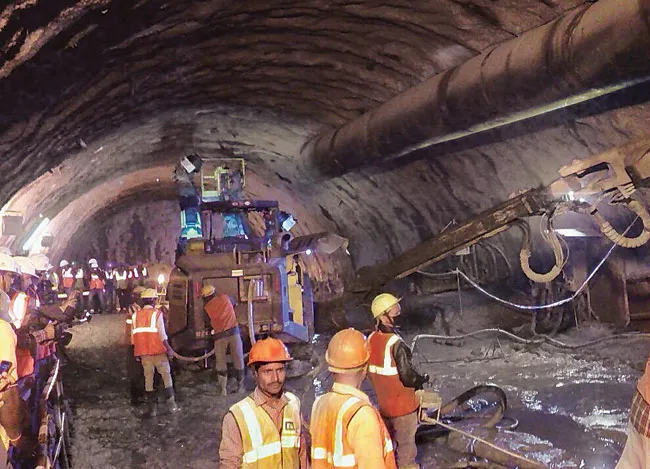
Delhi Metro’s longest line — the 58.59 km Mukundpur-Shiv Vihar corridor which will connect north and west Delhi with south and eastern parts of the city — will be delayed by at least eight months and will be launched in August 2017.
The line was scheduled to be launched in December 2016, but delay in getting land in east Delhi’s Trilokpuri and expansion of National Highway-24 delayed the project.
Though the two factors are affecting only a 5-km stretch of this line, this portion provides crucial connectivity to the Vinod Nagar depot where the coaches will park, without which it would not be possible to start the line.
“The construction work is in its last leg but with no connectivity to the depot, we won’t be able to start the line for passengers. We can conduct trial runs in patches but passengers will be able to use the line only after we have the link to the depot ready,” said a Delhi Metro Rail Corporation (DMRC) official.
The elevated alignment of the corridor passes over National Highway-24 towards Ghaziabad at two locations – between Vinod Nagar and Vinod Nagar East and between IP Extension and the Vinod Nagar metro depot.
The DMRC had begun work on these sections after obtaining clearance from the ministry of road transport and highways in March 2013. In June 2014, the National Highways Authority of India (NHAI) informed DMRC that there should not be any metro structure within 90 metres of right of way (ROW) on National Highway -24 as the road was now a part of the Meerut Expressway project.
In September 2014, a decision was taken in a meeting between DMRC and NHAI to accommodate the metro proposal. In subsequent meetings, the issue of providing adequate vertical clearance above highways was discussed and an agreement was reached. Construction work started again with the ministry’s permission.
But in January 2015, NHAI again issued a stop work letter to DMRC and said the horizontal location of the piers on NH-24 was coming in way of the proposed carriageway.
In June 2015, the ministry of road transport and highways held a meeting with organisations to find a solution. After obtaining all clearances again, DMRC finally begun work in March 2016.
With no work for almost two years, the line will be delayed. DMRC had erected six pillars and now is in the process of dismantling four of them.
Then, locals in Trilokpuri had moved court as they did not want to be relocated because of the metro line. The court has now asked DMRC to rehabilitate them.
“The location of pillars have been decided and work on the new plan has started. There has been a slight change in the route but our team has managed it well. We have got land in Trilokpuri and work will begin,” the official added.
The crisscrossing of Phase-3 lines with existing one sat many places will lead to emergence of 10 interchange stations, shortening the distance between two different parts of the city by up to 15 kms at some locations. It will also take the load off existing stations, especially Rajeev Chowk.
“The line is designed to decongest all other lines. There are 10 interchange stations. The line will start at north Delhi, come to northeast via west, south and east Delhi,” said a DMRC official.

Delhi–Siliguri Bullet Train Announced: Via Lucknow, Varanasi And Patna, Travel Time To Drop From 20 Hours To 6

Delhi to Jewar Airport in 21 minutes: New RRTS corridor to link Noida Airport with Varanasi bullet train
L-G directs DDA to chart out plan to develop Dwarka into an international investment hub
New 10-Lane Delhi-Jewar Corridor Planned Ahead Of Noida Airport Launch

Now homeowners can file online complaint against builders for illegal transfer charges in Uttar Pradesh; Step-by-step guide on how to do it