
 330 Page views
Published on Tue Apr 22 2025 | DNA Mumbai Hyderabad Mumbai-Hyderabad High-Speed Rail (MHHSR) Maharashtra Telangana Bandra Kurla Complex (BKC) Navi Mumbai Lonavala Pune Daund Akluj Pandharpur Solapur Kalaburagi Zaheerabad
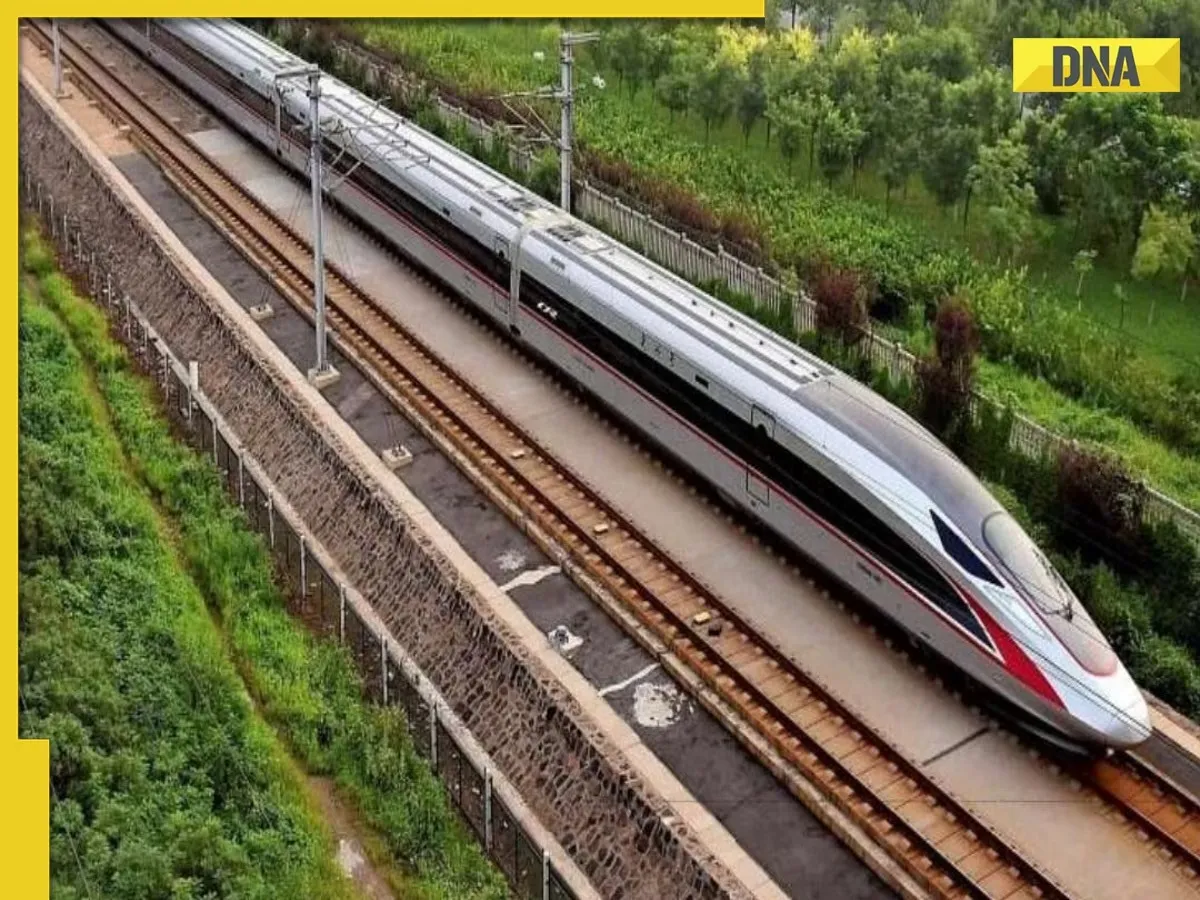
Once completed, the bullet train is expected to transform travel in the region, offering fast, safe, and comfortable journeys.
India’s dream of faster, smoother travel is coming closer to reality with the Mumbai-Hyderabad High-Speed Rail (MHHSR) project making steady progress. The proposed bullet train line will cover 767 kilometers, connecting three major cities—Mumbai, Pune, and Hyderabad—through 11 strategically placed stations across Maharashtra and Telangana.
The project is part of the Indian government’s plan to build six new high-speed rail corridors, first announced in 2019. While full-scale construction has not yet started, groundwork activities began with the tender process in October 2020.
Once completed, the bullet train is expected to transform travel in the region, offering fast, safe, and comfortable journeys. The train will have a top speed of 350 km/h, with an operating speed of 320 km/h and an average speed of 250 km/h. It will run on a standard gauge track using modern digital signaling and safety systems, including an earthquake detection feature (UrEDAS) that automatically applies brakes during seismic events, according to reports.
The 11 stations planned along the route include Bandra Kurla Complex (Mumbai), Navi Mumbai, Lonavala, Pune, Daund, Akluj, Pandharpur, Solapur, Kalaburagi, Zaheerabad, and Hyderabad. The line is expected to follow existing expressways and highways, and may connect with the Mumbai-Ahmedabad bullet train near Thane, according to reports.
Although ticket prices are yet to be finalised, early estimates suggest fares could be about 1.5 times higher than first-class AC tickets on Indian Railways—offering a premium yet affordable experience for passengers.
Several contractors are already working on the planning phase. These include Highway Engineering Magnitude Consortium for data collection, PK Engineers for traffic studies, and Translink Consultants for route planning. Drone mapping, power supply studies, and environmental assessments are also in progress. With careful planning and preparation underway, the Mumbai-Hyderabad bullet train is taking its first real steps toward becoming a key part of India’s high-speed future.

Delhi–Siliguri Bullet Train Announced: Via Lucknow, Varanasi And Patna, Travel Time To Drop From 20 Hours To 6

Delhi to Jewar Airport in 21 minutes: New RRTS corridor to link Noida Airport with Varanasi bullet train
L-G directs DDA to chart out plan to develop Dwarka into an international investment hub
New 10-Lane Delhi-Jewar Corridor Planned Ahead Of Noida Airport Launch

Now homeowners can file online complaint against builders for illegal transfer charges in Uttar Pradesh; Step-by-step guide on how to do it