
 106 Page views
Published on Thu Apr 02 2026 | News 18 Noida Greater Noida Uttar Pradesh Rapid Rail Transport System (RRTS) Detailed Project Report (DPR)
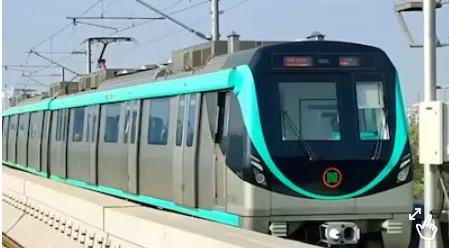
The long-awaited Metro project for Greater Noida West has faced yet another setback, as the revised Detailed Project Report (DPR) has been rejected by the Centre. Just as expectations were building, the Ministry of Urban Development turned down the proposal on technical grounds, pushing the project back to the drawing board. Authorities have now made it clear that modifying the earlier DPR will not suffice; an entirely new report must be prepared, significantly extending the timeline. The Metro plan was initially designed with 15 stations and had received approval from the Uttar Pradesh Cabinet. However, after the introduction of the Rapid Rail Transit System (RRTS), the route was altered and reduced to just five stations, running from Sector 51 to Greater Noida West Sector 4. The issue arose when the revised proposal was submitted by simply trimming the original DPR. The Centre objected, stating that reducing a previously approved 15-station plan to five stations without preparing a fresh DPR does not meet procedural norms. The repeated rejection of the DPR has raised concerns about planning and coordination between state and central authorities. It remains unclear whether the agencies involved misread central guidelines or rushed the proposal without adequate technical groundwork. This time, the Centre has issued firm instructions: a completely new and independent DPR must be created, followed by fresh technical clearances and renewed approval from the state cabinet. Shortcuts, officials indicated, will not be accepted. For residents of Greater Noida West, also known as Noida Extension, the delay is more than an administrative issue. The area, home to a large population of working professionals and middle-class families, continues to struggle with limited public transport options. Daily commutes are marked by traffic congestion, long travel times, and reliance on private vehicles or ride-hailing services, increasing both expenses and inconvenience. Frustration over repeated delays has even led to protests, including demonstrations at Jantar Mantar. Metro connectivity has been a key driver of real estate growth in the region. Following earlier announcements, property demand and prices saw a noticeable rise. However, continued delays are now affecting buyer confidence and could slow down sales across multiple housing projects. For developers, the absence of assured Metro connectivity weakens a major selling point, potentially impacting long-term growth prospects for the area.Why The DPR Was Rejected
Questions Over Planning And Coordination
Impact On Daily Commuters
Real Estate Sector Takes A Hit

Delhi–Siliguri Bullet Train Announced: Via Lucknow, Varanasi And Patna, Travel Time To Drop From 20 Hours To 6

Delhi to Jewar Airport in 21 minutes: New RRTS corridor to link Noida Airport with Varanasi bullet train
L-G directs DDA to chart out plan to develop Dwarka into an international investment hub
New 10-Lane Delhi-Jewar Corridor Planned Ahead Of Noida Airport Launch

Now homeowners can file online complaint against builders for illegal transfer charges in Uttar Pradesh; Step-by-step guide on how to do it