
 75 Page views
Published on Thu Jan 22 2026 | The Hindu Bengaluru Bangalore Bangalore Development Authority (BDA) ty Improvement Trust Board (CITB) Jayanagar Banashankari J.P. Nagar
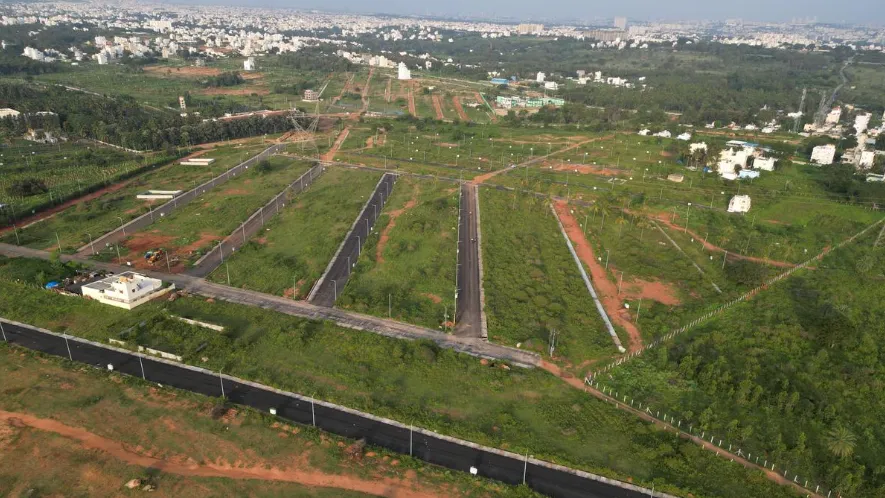
Catering to the housing needs of all in a burgeoning city like Bengaluru has been one of the core functions of Bangalore Development Authority (BDA) and its predecessor City Improvement Trust Board (CITB). A roster of layouts built by these bodies from Jayanagar to Banashankari, J.P. Nagar, and HSR Layout shows that the duo did effectively build most parts of Bengaluru. Waiting for a BDA site to build a house was a common trajectory in the city.
However, in the 2000s, there was a big shift in BDA layouts. Many of these publicly acquired plots have come to be held, fenced off, and passed around as assets, while large parts of the layouts remain without people living in them. While the promise of housing was repeatedly used to justify the acquisition of vast stretches of land on Bengaluru’s outskirts in the name of public purpose, empty layouts tell otherwise.
In its early years, the BDA’s own rules were designed to ensure that these sites turned into homes rather than idle pieces of land. Under the original system, sites were allotted through a “lease-cum-sale deed” mechanism. Allottees were required to construct a house within a stipulated period, usually up to 10 years, before the final sale deed was issued. Until construction was completed, they had no legal right to sell the site. Urban experts say this made it difficult to treat BDA plots as passive investments. Instead, the system nudged beneficiaries towards building and occupying houses, offering middle-class families a slow but relatively secure route to home ownership.
That framework began to unravel around the year 2000, when the BDA abandoned the lease-cum-sale deed system and started issuing outright sale deeds. With this shift, allottees became full owners much earlier and were free to sell their sites without first constructing houses. Property consultant K.R. Ramesh said this marked a clear turning point in how BDA layouts began to function. “Once ownership was delinked from construction, the incentive structure completely changed,” he said.
As the city expanded and land prices rose sharply, plots that were meant for housing became investment instruments. Mr. Ramesh pointed out that instead of enforcing construction timelines by cancelling allotments, a power the BDA already had, the authority began relying on penalties to regularise non-construction. What was meant to act as a deterrent, he said, gradually turned into a fee that allowed owners to hold land without building. “People who bought sites for modest amounts could afford to pay penalties later, while the land value multiplied many times over,” Mr. Ramesh said, adding that over time, penalties stopped discouraging speculation and instead legitimised it.

Delhi–Siliguri Bullet Train Announced: Via Lucknow, Varanasi And Patna, Travel Time To Drop From 20 Hours To 6

Delhi to Jewar Airport in 21 minutes: New RRTS corridor to link Noida Airport with Varanasi bullet train
L-G directs DDA to chart out plan to develop Dwarka into an international investment hub
New 10-Lane Delhi-Jewar Corridor Planned Ahead Of Noida Airport Launch

Now homeowners can file online complaint against builders for illegal transfer charges in Uttar Pradesh; Step-by-step guide on how to do it